Bigbutter: The Handwritten Script Font for Authentic Branding
There's a specific kind of warmth that only a human touch can provide. In a digital world saturated with crisp, geometric sans serifs and predictable corporate typefaces, a handwritten script font like Bigbutter offers a refreshing dose of personality. It’s not just a collection of letters; it’s a carefully crafted tool designed to inject a sense of authenticity, care, and approachability into your projects. For designers, entrepreneurs, and creators, it represents a bridge between professional polish and genuine, human connection.
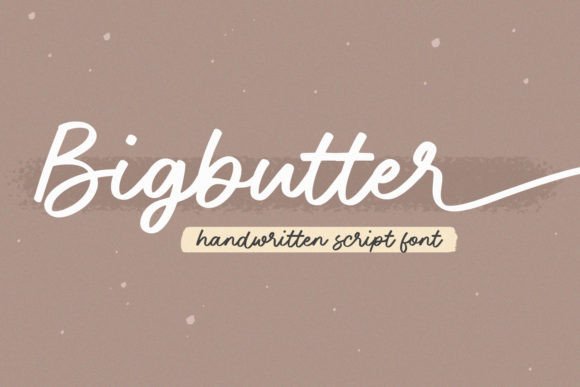
Visually, Bigbutter strikes a beautiful balance. It’s a modern script font with a natural, flowing rhythm that feels handwritten but avoids the pitfalls of being overly casual or illegible. The letterforms exhibit a confident, slightly bouncy baseline with smooth, connected strokes that give it a cohesive and polished appearance. It carries the personality of a friendly, handwritten note—think of a warm greeting on a beautifully designed card or a personal message on product packaging. Its appeal lies in this versatility: it’s expressive enough to stand out as a display font, yet refined enough to maintain readability in short, impactful statements. This makes it a valuable creative font for projects that need to convey warmth without sacrificing professionalism.
Where Bigbutter Truly Shines: Practical Applications
The true test of any typeface is its performance in real-world scenarios. Bigbutter excels as a versatile design asset across a wide spectrum of applications, thanks to its inherent charm and thoughtful design.
In the realm of branding and logo design, Bigbutter can be the cornerstone of a memorable brand identity. It’s particularly effective for brands that want to emphasize craftsmanship, personal service, or a boutique feel. Imagine it gracing the logo of an artisan bakery, a handmade cosmetics line, a boutique consultancy, or a wedding planning service. It instantly communicates a sense of care and individuality that a standard corporate font cannot. For packaging design, its handwritten quality can transform a product on a shelf. It works wonderfully for labels on gourmet foods, craft beverages, beauty products, or any item where the story behind the product is as important as the product itself.
For digital and social media, Bigbutter is a powerhouse. Its eye-catching style makes it perfect for social media graphics, Instagram stories, YouTube thumbnails, and website headers where you need to grab attention quickly. It adds a personal, engaging tone that can increase audience interaction and make a brand feel more relatable. In editorial and publishing, it serves as an excellent accent font. Use it for pull quotes, chapter titles in lifestyle magazines, blog post headings, or callouts in a cookbook to add visual interest and break up blocks of body text set in a more neutral serif or sans serif font.
For personal projects and events, its utility is just as strong. It’s a natural fit for wedding invitations, save-the-dates, thank you cards, and event signage, offering an elegant yet personal script. Crafters and hobbyists will find it ideal for creating custom prints, t-shirt designs, mugs, and other personalized gifts. The key is matching its friendly personality to projects that benefit from a human touch.
Integrating Bigbutter into Your Design Workflow
Choosing a creative font is only the first step. Knowing how to implement it effectively is what separates good design from great design. Here’s a practical guide to making the most of Bigbutter.
Evaluate the Project Fit: Before selecting any font, ask: what is the primary goal of this design? Bigbutter is a display font, meaning it’s built for impact in headlines, logos, and short phrases. It is not intended for long-form body copy. Use it strategically to draw the eye and set a tone, then pair it with a highly legible typeface for the main content. This contrast creates a clear visual hierarchy.
Master the Art of Font Pairing: The most successful designs often combine fonts to create balance and depth. Bigbutter, as a script font, pairs exceptionally well with clean, simple fonts. For a classic, elegant look, pair it with a refined serif font like Lora or Playfair Display. For a more contemporary, airy feel, combine it with a geometric or humanist sans serif font like Montserrat, Open Sans, or Poppins. The goal is to let Bigbutter be the star of the show while its partner font provides calm, readable support.
Leverage Its Full Potential: One of the most practical features of Bigbutter is that it is PUA encoded. This technical detail is a huge benefit for creators. PUA (Private Use Area) encoding means all the alternate characters, swashes, and ligatures are easily accessible without needing specialized design software. In programs like Adobe Illustrator, Photoshop, or even Canva, you can access these extras through the Glyphs panel. This allows you to customize words with unique flourishes, creating a truly bespoke look for your logo or headline.
Consider Readability and Licensing: Always test your design at the intended size and on the intended medium. A font that looks stunning on a large monitor might lose detail on a small mobile screen. Ensure there is enough contrast and spacing. Furthermore, if your project is commercial—whether it’s a client logo, a product for sale, or a monetized blog—confirm you have the correct commercial license for the font. Using a premium font like Bigbutter with the proper license ensures your work is professional and legally sound.
In the end, selecting a typeface like Bigbutter is a strategic choice. It’s a tool for telling a story, building a brand personality, and connecting with an audience on a more personal level. By understanding its strengths and applying it thoughtfully, you can leverage this handwritten script font to create designs that are not only beautiful but also deeply effective and resonant.