Guest Star Font: A Serif and Script Duo for Dynamic Design
The Anatomy of a Versatile Design Asset
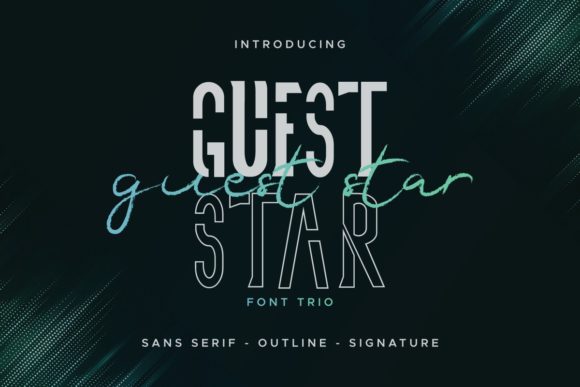
When you encounter a font package like Guest Star, the first thing you notice is the sheer potential it holds. It is not merely a typeface; it is a carefully curated duo consisting of a refined serif and a fluid script. In the world of modern typography, finding two distinct styles that work together seamlessly is a significant advantage for any creative professional. The serif component provides structure, legibility, and a sense of traditional authority. It is clean, sharp, and designed to hold its own in body text or headlines. The script counterpart, however, introduces a layer of personality. It mimics the natural flow of handwriting, offering a personal touch that feels organic and inviting.
This combination makes Guest Star an incredibly flexible tool. Whether you are working on logo design for a startup or laying out a magazine spread, the interplay between these two styles allows for complex visual hierarchy without needing to source multiple separate font pairings. The transition from the grounded stability of the serif to the expressive flair of the script happens naturally, creating a cohesive aesthetic that feels intentional and polished.
Practical Applications Across Industries
Understanding where a font fits best is crucial for maximizing its value. Guest Star is designed to be a workhorse for various industries, but it shines particularly bright in specific contexts. For those in brand identity and strategy, this typeface offers a unique opportunity to build a complete visual language from a single source.
- Packaging and Editorial Design: The contrast between the two styles makes Guest Star ideal for packaging design. Imagine a coffee bag where the brand name is rendered in the elegant serif, while the flavor notes are scrawled in the script. This creates an immediate visual focal point. Similarly, in editorial design, the script can be used for pull quotes or section headers to break up the monotony of standard body copy.
- Digital Presence and Web Design: In web design, readability is paramount. The serif portion of Guest Star is engineered for clarity on screens, making it suitable for blog posts and product descriptions. The script is best used sparingly for hero text or call-to-action buttons where you want to inject a human element. It helps in softening the digital experience, making a website feel more approachable.
- Social Media and Marketing: Content creators and marketers often struggle to make their graphics stand out in crowded feeds. Guest Star provides a premium font solution that elevates standard templates. Using the script for headlines on Instagram stories or the serif for infographics on LinkedIn ensures that your content looks professional and distinct. It acts as a recognizable anchor for your brand identity across platforms.
Evaluating Fit and Readability
Choosing a font is rarely just about aesthetics; it is about function. Before fully integrating Guest Star into your workflow, it is wise to test how it performs under your specific conditions. Readability is the primary concern. While the serif font is generally optimized for longer reading passages, the script font is strictly a display font. This means the script should be reserved for large headlines or accent words. If you attempt to use the script style for paragraph text, you will likely find that legibility drops significantly, and the design becomes cluttered.
Consider the medium you are working on. For print projects like wedding invitations or business cards, the fine details of the Guest Star script will reproduce beautifully, especially on textured paper stocks. However, for small digital screens, the intricate loops of the script might become muddy. In these cases, increasing the font size or sticking to the serif component is a practical recommendation.
Testing Font Pairings and Styles
While Guest Star is a complete system on its own, you may occasionally need to pair it with other assets. If you require a sans serif font for UI elements or technical data, look for a geometric sans that complements the clean lines of the Guest Star serif. Avoid pairing the script with other highly decorative fonts, as this often leads to visual competition. The goal is to let Guest Star be the "star" of the show while supporting fonts handle the background work.
It is also essential to review the included styles within the package. A high-quality commercial font like this usually comes with various weights, alternates, or ligatures. Exploring these features can unlock new design possibilities. For instance, swapping out a standard letter for a stylistic alternate in the script can change the entire flow of a logo, making it feel more customized and less generic.
Impact on Professionalism and Engagement
The typography you choose sends a subconscious message to your audience. Using a well-crafted typeface like Guest Star signals attention to detail. For entrepreneurs and small business owners, this can translate directly into trust. When a customer sees a cohesive visual language—where the heading, subheading, and body text all relate to one another—they perceive the business as more established and reliable.
Consistency is key in building brand recognition. By using Guest Star across your marketing materials, from email newsletters to physical signage, you create a consistent thread that ties your communications together. This repetition helps the audience recognize your brand instantly, even before they read the words.
Ultimately, Guest Star is a tool for connection. It bridges the gap between the formal requirements of business communication and the warm, human desire for creativity. Whether you are a blogger looking to add personality to your headers or a designer crafting a luxury brand identity, this creative font