Happy Diary: A Duo Font for Modern, Chic Design
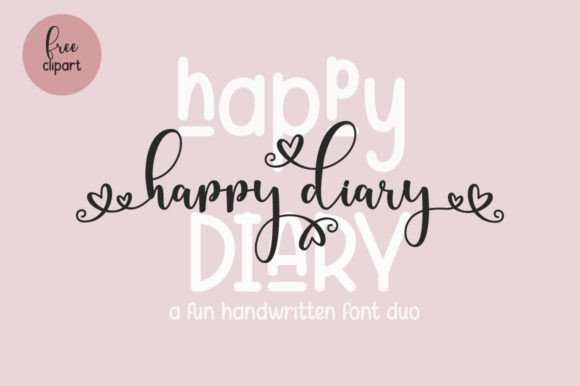
There’s a certain magic in a typeface that feels both personal and polished. You know the one—it carries the warmth of a handwritten note but holds its own in a crisp, professional layout. Happy Diary is that kind of premium font. It’s a thoughtfully crafted duo, pairing a clean, modern sans serif font with a fluid, elegant script font. This combination isn’t just decorative; it’s a practical toolkit for creating designs with depth, character, and a distinctly human touch.
The Personality Behind the Typeface
At its core, Happy Diary is a study in balanced contrast. The sans serif component is legible, airy, and contemporary. It has a gentle geometry that avoids feeling cold or sterile, making it ideal for body text or clear headlines where readability is paramount. Its companion script is where the charm truly unfolds. It’s a handwritten font with a delicate, flowing rhythm—think the confident stroke of a fountain pen, not a shaky marker. The letterforms connect with grace, offering swashes and alternate glyphs that feel organic rather than overly stylized.
Together, they create a visual conversation. The sans serif provides structure and clarity, while the script injects personality and emotion. This duality makes Happy Diary incredibly versatile. It doesn’t scream for attention; it invites the viewer in, creating a sense of approachable sophistication. It’s a creative font that feels personal, like a secret between the designer and the audience.
Where This Font Truly Shines: Real-World Applications
The true test of any typeface is how it performs in the wild. Happy Diary excels in projects where brand personality and emotional connection are key. Imagine a boutique skincare label using the script for product names and the sans serif for ingredients and instructions—the result is luxurious yet trustworthy. For a café’s menu, the script could highlight specialty drinks, while the sans serif handles the descriptions, creating an inviting, artisanal feel.
In the digital realm, this font pairing is a powerhouse for social media graphics and web design. A blog header set in the Happy Diary script feels instantly welcoming, while the sans serif ensures readability in longer captions or about sections. Entrepreneurs building a brand identity will find it especially useful. It allows for a cohesive system where logos, website headers, and marketing collateral all speak the same visual language—one that’s both professional and warmly engaging.
For editorial design, like magazine features or book layouts, the script can pull readers into pull quotes or chapter titles, setting a mood before they even read a word. The sans serif then provides a comfortable reading experience for the body copy. Even in packaging design, where shelf appeal is critical, this duo helps products stand out. A script label on a candle jar or artisan food item conveys craftsmanship, while the sans serif provides clear, scannable information.
Practical Guidance for Choosing and Using Happy Diary
Before committing to any display font, it’s wise to evaluate its fit for your project’s tone. Happy Diary leans toward warmth, elegance, and approachability. It’s perfect for brands that want to feel connected, creative, and authentic—think lifestyle brands, creative services, wellness studios, or independent publishers. It might not be the best choice for ultra-corporate or highly technical contexts where a more neutral, rigid typeface is expected.
Testing is non-negotiable. When you explore Happy Diary, pay close attention to the font pairing between its two styles. Set a headline in the script and subheadings in the sans serif. Does the weight and x-height feel balanced? Check the readability of the sans serif at smaller sizes for paragraphs. The script is generally best for short, impactful text like logos, titles, or callouts where its decorative qualities can be appreciated without hindering comprehension.
A significant advantage of this commercial font is its PUA encoding. This means every alternate glyph, swash, and stylistic character is easily accessible through your software’s character map or OpenType panel. Don’t overlook these extras. A well-placed swash on a capital letter in a logo can add a unique flourish. Experimenting with these features is what transforms a good design into a memorable one.
Finally, consider the licensing. For small business owners, bloggers, or crafters, ensure the license covers your intended use—whether for a client’s logo, printed merchandise, or digital products. Reputable foundries offer clear commercial font licenses, and understanding these terms protects both you and your client.
Building a Cohesive Visual Narrative
The power of a duo font like Happy Diary lies in its ability to create instant visual hierarchy and consistency. By using the two styles from the same family, you avoid the jarring clash that can sometimes happen when pairing unrelated fonts. The design feels intentionally curated. This consistency strengthens brand recognition—your audience begins to associate that specific elegant script and clean sans serif with your business.
It also influences perception. The script element can make a brand feel more personal and human, which is invaluable in a digital landscape often dominated by impersonal interfaces. The sans serif ensures that this personality doesn’t come at the expense of professionalism or clarity. It’s a strategic balance that can enhance audience engagement, making your communications feel more thoughtful and less generic.
In the end, choosing a typeface is about finding the right voice for your message. Happy Diary offers a voice that is both lovely and pragmatic, chic and usable. It’s a design asset that doesn’t just decorate a page but helps tell a story. Whether you’re crafting a wedding invitation, designing a startup’s brand kit, or laying out a lifestyle blog, this font duo provides a foundation for work that feels genuinely connected and visually compelling. It’s a reminder that great design is often in the details—the delicate curve of a script letter, the clean line of a sans serif—and in how those details come together to create something that feels just right.