Headmista: Where Professionalism Meets Personality
In the vast sea of available typefaces, finding one that strikes the perfect balance between corporate reliability and creative flair can feel like searching for a needle in a haystack. Many fonts are either too sterile, lacking the warmth needed for connection, or too decorative, sacrificing legibility for style. Enter Headmista, a script font designed to bridge that gap. It isn’t just a collection of letters; it is a design asset that injects character into your work without ever looking unprofessional. Whether you are a seasoned graphic designer, a startup founder crafting a brand identity, or a hobbyist creating custom invitations, Headmista offers a distinct voice that speaks volumes.
The Anatomy of a Versatile Script Font
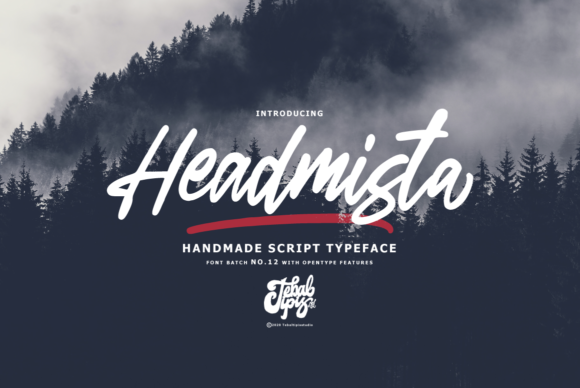
At its core, Headmista is a premium font that reimagines the traditional script font with a modern typography sensibility. It avoids the chaotic loops of casual handwritten font styles while steering clear of the rigid constraints of corporate typefaces. Instead, it presents a flowing, connected baseline with a rhythmic pace. The visual weight is consistent, ensuring that it holds its own whether used as a massive headline or a delicate signature.
What makes Headmista particularly effective is its attention to detail in the letterforms. The swashes are not just tacked on; they are integrated into the DNA of the font. This creates a sense of movement and fluidity that catches the eye. It possesses a confident, slightly edgy vibe that feels contemporary. It is the kind of typeface that suggests a human hand was behind the design, which is crucial in an era where consumers crave authenticity. When you look at Headmista, you see a font that respects the rules of modern typography enough to be readable, but breaks them just enough to be memorable.
Strategic Applications: From Branding to Packaging
Understanding where to deploy a specific typeface is half the battle in design. Headmista shines brightest in scenarios where you need to make an immediate emotional impact. Because it is a display font, it is optimized for impact rather than long-form reading. This makes it an ideal candidate for logo design, where distinctiveness is paramount.
For entrepreneurs and small business owners, the font serves as a powerful tool for packaging design. Imagine a craft coffee label or a boutique skincare bottle; the flowing nature of Headmista communicates care, quality, and artisanal production. It bridges the gap between luxury and accessibility. Similarly, in editorial design, it can transform a mundane magazine cover or a blog header into something visually arresting. It commands attention in the top hierarchy of the page, drawing readers into the content beneath it.
Here are specific areas where Headmista excels:
- Logo Design: Creating a wordmark that feels bespoke and custom-drawn.
- Social Media Graphics: Stopping the scroll on Instagram or Pinterest with bold, stylish quotes.
- Wedding Invitations: Offering a sophisticated alternative to standard calligraphy for stationery.
- Web Design: Using it for hero section headers to establish an immediate brand mood.
- Merchandise: Applying it to t-shirts, mugs, and posters where the text is the art.
Technical Excellence and Workflow Integration
A beautiful font can quickly become a designer’s nightmare if it lacks technical flexibility. Headmista solves this common pain point through its PUA encoding. For those unfamiliar, PUA (Private Use Areas) encoding ensures that the special characters, stylistic alternates, and swashes are accessible in virtually any design software, not just high-end professional suites like Adobe Illustrator.
This means whether you are using a basic text editor, a pro-level layout program, or a web-based design tool like Canva, you can access the full glyph set. This democratization of design assets is vital for content creators and hobbyists who may not have access to complex software. You simply select the character map and click to insert the flourishes you need. This ease of use streamlines the creative process, allowing you to focus on the design rather than fighting with technical compatibility issues.
Mastering Font Pairings for Visual Hierarchy
One of the most common questions regarding script font usage is: "What do I pair it with?" Because Headmista has such a strong personality, it requires a complementary partner that supports rather than competes. The golden rule of font pairing is contrast. Since Headmista is a flowing, decorative display face, it pairs exceptionally well with clean, neutral sans-serifs or sturdy serifs.
For a clean, modern aesthetic, try pairing Headmista with a geometric sans serif font. The lack of serifs and the mathematical structure of the sans-serif will allow the organic flow of Headmista to pop. This combination works wonders for web design and tech startups that want to appear approachable yet innovative.
Alternatively, for a more traditional or editorial feel, combine it with a classic serif font. The serifs provide a grounded, academic counterpoint to the whimsical energy of the script. This is a classic strategy in editorial design and high-end branding. However, a word of caution: avoid pairing Headmista with another handwritten font or a highly decorative display font. Too much personality in a single layout creates visual noise and confuses the reader.
Readability and Brand Perception
While Headmista is designed for beauty, usability remains a priority. As a creative font, it maintains legibility even with its swashes active. However, context is key. You would not set a 500-word blog post in Headmista; that is not the job of a display font. Its job is to act as the visual appetizer that invites the user to read the main course set in a legible body font.
Using Headmista correctly influences how your audience perceives your brand. It suggests that you value aesthetics and attention to detail. It moves a brand identity away from the "generic" and toward the "curated." When a customer sees a well-executed logo design using a font like Headmista, they subconsciously attribute higher value to the product or service being offered. It is a subtle psychological trigger that modern typography experts utilize to build trust and recognition.
Making the Decision: Is Headmista Right for You?
Evaluating a commercial font for your project involves more than just asking if it looks nice. You must consider the licensing. Headmista is built for commercial use, meaning you can safely use it for client work, merchandise, and digital products without worrying about copyright infringement. This legal safety is a crucial component of professional design assets.
Before purchasing, consider the specific "vibe" of your project. Does your brand speak with a confident, slightly edgy, and modern voice? If so, Headmista is likely a perfect fit. It is particularly potent for brands targeting the 20–50 demographic—adults who appreciate sophistication but are tired of stuffy, outdated corporate fonts.
Ultimately, Headmista is more than just a typeface; it is a versatile tool for visual storytelling. It provides the polish of a premium font with the accessibility of a modern digital asset. By integrating it into your toolkit, you gain the ability to instantly elevate your packaging design, social media graphics, and brand identity with a touch of human elegance.