Jehanilla: The Script Font That Feels Like a Conversation
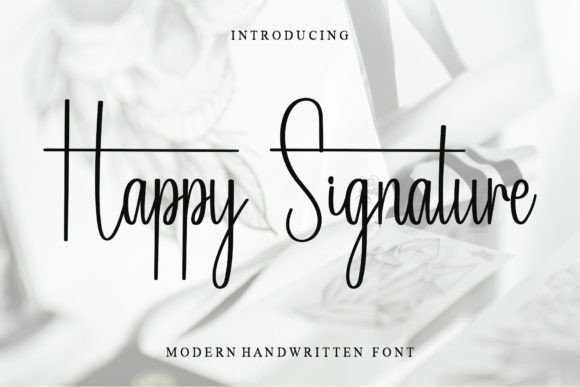
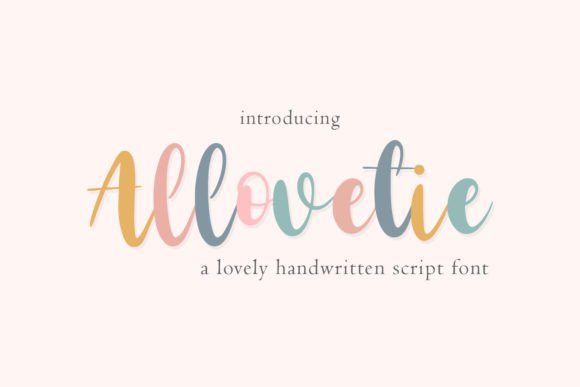
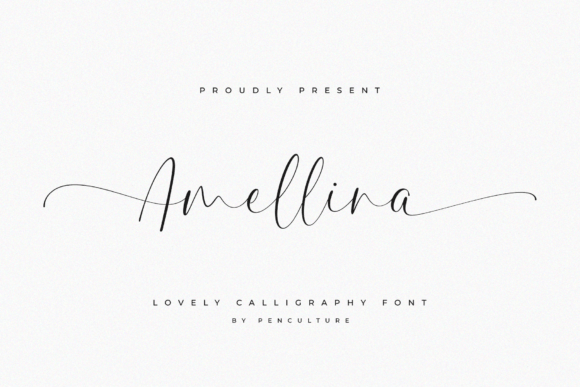
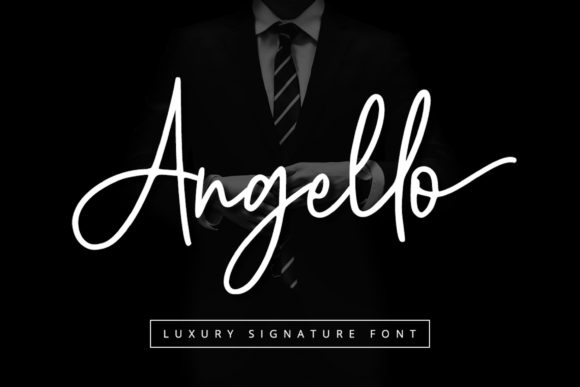
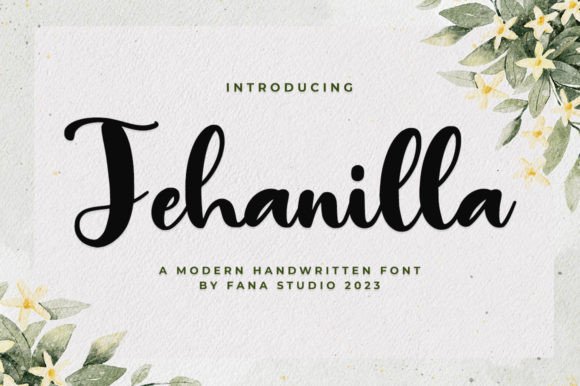
You know the feeling when a design just clicks? It's not just about the layout or the colors; it's the personality. That's what a font like Jehanilla brings to the table. It's not a cold, geometric typeface. It’s a script font with a heartbeat, offering that coveted handwritten font warmth but with the polish of a premium font. Think of it as the elegant, confident handwriting of a creative professional—fluid, stylish, and unmistakably human. The modern typography of Jehanilla strikes a balance between classy and contemporary, making it a versatile design asset that can elevate a project from ordinary to memorable.
Where Jehanilla Truly Shines: From Brand Marks to Wedding Vows
The real test of any creative font is its application. Jehanilla isn't a one-trick pony; it's a workhorse with flair. Its elegant, flowing strokes make it a natural fit for wedding designs and invitations, where a personal touch is non-negotiable. But don't box it in. This display font excels in logo design, especially for brands in the lifestyle, boutique, beauty, or artisanal food space. It instantly communicates authenticity and craftsmanship, helping build a cohesive brand identity that feels approachable yet refined.
Beyond branding, consider its power in packaging design. A product label using Jehanilla can stand out on a crowded shelf, suggesting a story behind the brand. For editorial design—think magazine headers, pull quotes, or chapter titles—it adds a dynamic, personal rhythm that a standard serif font or sans serif font can't achieve. In the digital realm, it’s a gem for social media graphics, creating eye-catching quotes, announcements, or story highlights that feel genuine and engaging. It’s also perfect for photography watermarks, signing your work with a stylistic flourish that doesn't overpower the image.
Making It Work: Practical Guidance for Your Projects
Adopting a new font is like hiring a new team member. You need to see if it fits. Here’s how to evaluate Jehanilla for your work:
- Test the Pairing: A script font rarely works alone in body text. Pair Jehanilla with a clean, neutral sans serif font or a classic serif font for readability. Use Jehanilla for headlines and impactful words, and let its partner handle the paragraphs. This creates a clear visual hierarchy.
- Check the Glyphs: A good commercial font includes alternates and swashes. Explore Jehanilla’s full character set. Accessing different letter styles allows you to customize ligatures and avoid repetitive, "fonty" looks, making your text feel truly hand-lettered.
- Mind the Context: While beautiful, script fonts can challenge readability at small sizes. Use Jehanilla for titles, logos, and short bursts of text, not for lengthy website copy or legal disclaimers. Its strength is in creating mood and emphasis.
- Understand the License: Always review the licensing terms. If you're using it for a client's logo, merchandise, or a digital product for sale, ensure you have the appropriate commercial license. This protects you and your client.
Ultimately, Jehanilla is more than just a pretty typeface. It's a strategic tool. It influences brand perception by injecting personality, enhances audience engagement through its relatable human quality, and builds recognition with its distinctive style. When chosen thoughtfully, it doesn't just decorate a design—it defines it. The next time you’re crafting a brand identity or designing social media posts, consider the conversational elegance of Jehanilla. It might just be the voice your project has been missing.