Marsella: A Handwritten Font for Elegant Design Projects
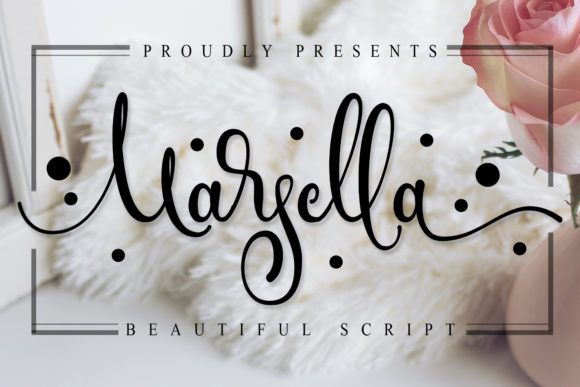
Finding a script font that feels both personal and professional can be a real challenge. You want something with character, but it can't be so ornate that it becomes illegible. This is where Marsella enters the conversation. It’s a premium handwritten font that strikes a beautiful balance, offering the warmth of a personal touch with the polish needed for high-end branding and creative work. Its carefully crafted swashes and ligatures aren't just decorative; they give the typeface a fluid, natural rhythm that feels genuinely elegant.
The Personality and Appeal of the Marsella Typeface
At its core, Marsella is a script font with a distinct personality. It avoids the overly casual, messy look of some modern fonts while steering clear of the rigid formality of traditional calligraphy. The letterforms have a confident, flowing style with a moderate slant, suggesting movement and grace. The connections between letters are smooth, creating a cohesive look in headlines and short phrases. This makes it an incredibly versatile creative font. It feels at home on a wedding invitation, a boutique product label, or a sophisticated social media graphic.
The real magic, however, lies in its OpenType features. The gorgeous swashes—those elegant flourishes on the beginning and end of letters—allow you to add dramatic emphasis to initials or terminal letters. The ligatures, which are special character pairs like 'th' or 'st' that blend together seamlessly, prevent awkward spacing and enhance readability. These aren't just gimmicks; they are practical tools for any designer. Using them thoughtfully can turn a simple word into a true piece of art, elevating a project from standard to standout.
Where Marsella Truly Shines: Practical Applications
Understanding a font's strengths is key to using it effectively. Marsella isn't a workhorse body text font; its power lies in display and accent applications. Think of it as your go-to typeface for moments that need to capture attention and convey a specific mood. Its applications are broad, spanning both digital and print mediums for personal and commercial use.
- Branding and Logo Design: For businesses aiming for a premium, approachable, or feminine brand identity, Marsella is an excellent choice. It works beautifully for logos in the fashion, beauty, wellness, and lifestyle sectors. Paired with a clean sans serif font for body copy, it creates a powerful visual hierarchy that feels both established and inviting.
- Editorial and Packaging Design: On the cover of a magazine, a chapter title in a book, or the name on a artisan food label, Marsella adds instant sophistication. It helps establish the tone of the content before a single word of the body copy is read. For packaging design, it communicates quality and craftsmanship.
- Digital and Social Media Graphics: This is where Marsella can help you stand out. Use it for Instagram quote graphics, website hero sections, YouTube thumbnails, or promotional banners. Its elegant style ensures your message is not just seen, but felt. It’s a perfect font for creating cohesive, high-impact social media graphics that look professionally designed.
- Print and DIY Projects: For crafters and hobbyists, Marsella is a fantastic design asset. It’s ideal for creating custom greeting cards, wedding stationery, event signage, and personalized gifts. The included swashes allow for a level of customization that makes each project feel unique.
A Guide to Using Marsella Effectively
Simply having a great font isn't enough; using it well is what separates good design from great design. Here’s some practical guidance on integrating Marsella into your workflow.
Focus on Readability and Context. Because Marsella is a script font, readability can decrease significantly at small sizes or in long paragraphs. Always test your designs at the intended viewing size. For web design, this means checking it on both desktop and mobile screens. For print, print a proof. A good rule of thumb is to reserve Marsella for headlines, subheadings, pull quotes, and logos, and use a highly legible serif or sans serif font for the main body text.
Master the Art of Font Pairing. A strong font pairing creates balance and visual interest. Marsella’s elegant nature pairs exceptionally well with simple, geometric sans serif fonts like Montserrat, Lato, or Poppins. This contrast allows the script font to take center stage without the overall design feeling cluttered. For a more classic, editorial feel, you could pair it with a traditional serif font like Garamond or Times New Roman, but ensure there’s enough contrast in weight and style.
Explore the Full Toolkit. Before you start a project, take the time to explore all the glyphs, swashes, and ligatures included with Marsella. In programs like Adobe Illustrator or Photoshop, you can access these through the Glyphs panel. Knowing what stylistic options are available will empower you to make more creative and intentional typographic choices. This is a key part of working with any premium font.
Understand the Licensing. As a commercial font, Marsella comes with a license that dictates how you can use it. Always review the End User License Agreement (EULA) carefully. Most standard licenses cover use in digital and print projects, logos, and products for sale. However, the specifics can vary. If you plan to use the font in a way that might be ambiguous—like in a website template for resale—it’s always best to check the terms or contact the foundry to ensure you are fully compliant.
Ultimately, Marsella is more than just a collection of letters; it's a versatile tool for visual storytelling. By understanding its personality and applying it with thoughtful consideration for context, pairing, and readability, you can leverage this beautiful handwritten font to bring a consistent, professional, and elegant touch to all your creative endeavors.