Minimalist Prints: Crafting Unforgettable Brand Elegance
There are typefaces that simply sit on a page, and then there are those that perform. Minimalist Prints belongs firmly in the latter category. It is a premium font that doesn’t just spell out words; it orchestrates an atmosphere of luxury and sophistication. If you have ever struggled to find a typeface that feels both intricate and restrained, or one that balances ornate details with modern clarity, this is the solution you’ve been looking for. It captures the essence of refined design, offering a visual voice that is confident, graceful, and undeniably high-end.
The Anatomy of Sophistication
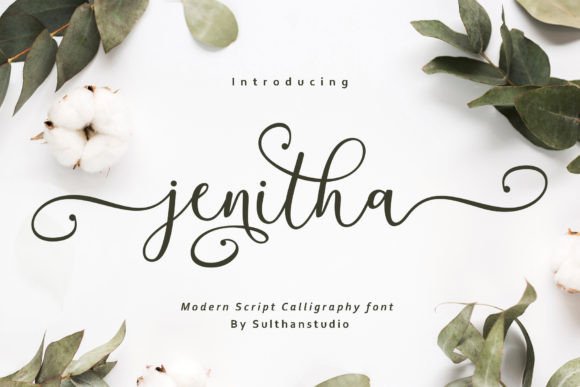
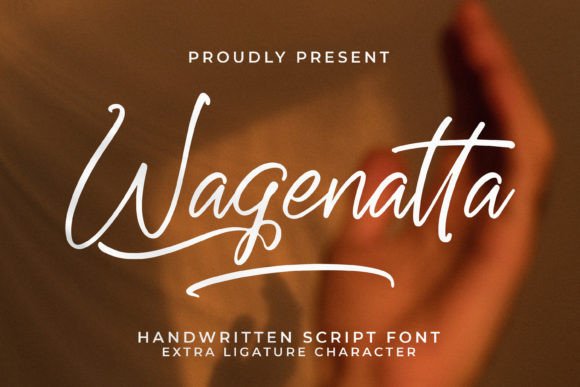
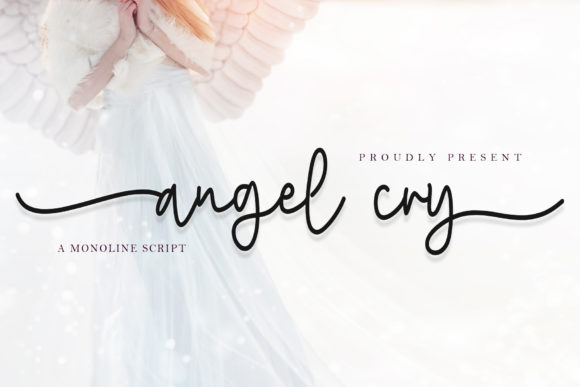
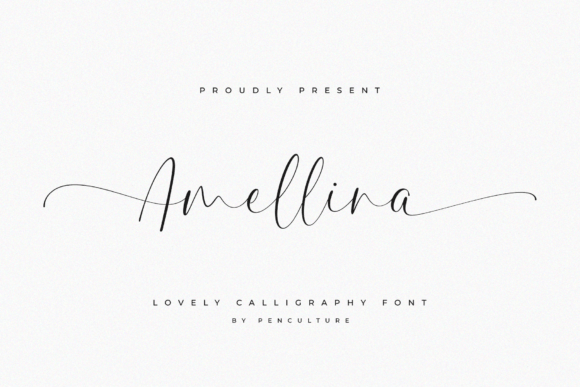
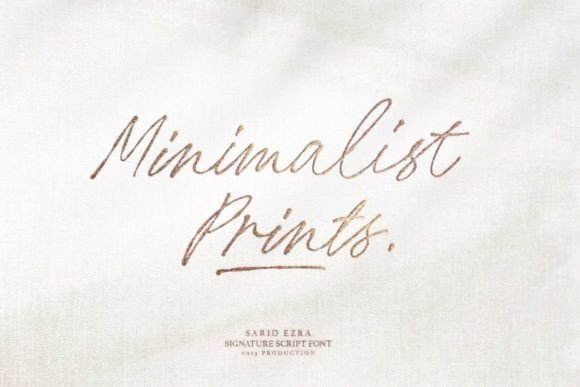
At first glance, the visual characteristics of Minimalist Prints reveal a careful tension between complexity and simplicity. It is a script font, but it avoids the chaotic, overly casual loops that often plague handwritten fonts. Instead, it features intricate details and graceful curves that suggest a hand skilled in calligraphy, yet disciplined by a modern aesthetic. The letterforms possess a rhythm that guides the eye naturally across the line, creating a seamless flow that feels organic rather than mechanical.
This isn't a font that shouts; it whispers with authority. The personality of Minimalist Prints is one of quiet confidence. It feels expensive without being gaudy. In the world of typography, finding a creative font that manages to be both decorative and legible is a rare feat. This typeface achieves that balance by maintaining consistent stroke weights and ensuring that the ligatures—where letters connect—feel intentional and fluid. It brings a level of professionalism to any project that standard sans serif fonts simply cannot provide, making it an essential asset in a designer’s toolkit.
Strategic Applications: Where Elegance Meets Function
Understanding where Minimalist Prints works best is key to unlocking its potential. Because it is a display font, it thrives in environments where it can command attention without competing with dense blocks of text. Think of it as the "voice" of your brand identity—used for headlines, sub-headers, and focal points rather than body copy.
In logo design, this typeface shines brilliantly. For businesses in the beauty, fashion, wedding, or luxury hospitality sectors, a logo set in Minimalist Prints immediately establishes a high-end positioning. It tells potential customers that the service or product they are about to engage with values quality and detail. Similarly, in packaging design, the font adds a tactile feel to visual graphics. Imagine a matte black box with gold foil lettering using this font; the visual hierarchy is instantly established, suggesting a premium unboxing experience.
However, the utility extends far beyond physical goods. In the digital realm, web design often suffers from a sterile, generic look. Using Minimalist Prints for hero section headers or landing page call-to-actions can break the monotony of standard web-safe typography. It creates a memorable first impression that reduces bounce rates and increases engagement. For social media graphics, where attention spans are fleeting, this font acts as a visual hook. It provides the aesthetic "thumb-stopping" power that content creators and marketers crave for Instagram stories, Pinterest pins, and promotional banners.
Mastering Visual Hierarchy and Brand Perception
Choosing a typeface is a psychological decision as much as an aesthetic one. The font you select influences how your audience perceives your brand before they even read the first sentence of your content. Minimalist Prints influences brand perception by injecting a sense of trust and exclusivity. When used consistently across your editorial design or marketing collateral, it builds a cohesive visual identity. This consistency is crucial for recognition; a customer should be able to identify your brand’s "voice" visually just as quickly as they recognize a friend’s voice audibly.
Furthermore, the font aids in establishing a clear visual hierarchy. In design, hierarchy is the system that tells the viewer what to read first, second, and third. By using Minimalist Prints for your primary headers, you create a distinct layer of importance that separates the main idea from the supporting details. This improves readability—not by being easy to read in small paragraphs, but by organizing information so the user knows exactly where to focus their attention.
Practical Guidance for Implementation
Integrating a premium font like this into your workflow requires a bit of strategy. It is not a "set it and forget it" asset; it requires thoughtful pairing to reach its full potential.
- Font Pairing Strategies: Because Minimalist Prints is a script font with high visual texture, it needs a quiet partner. Avoid pairing it with other decorative fonts. Instead, look for a clean, geometric sans serif font for your body text. The contrast between the ornate script and the stark sans serif will make the header pop while ensuring the main content remains highly legible. A classic serif font can also work well if you are aiming for a more traditional, editorial magazine aesthetic.
- Evaluating Project Fit: Be honest about your content needs. If you are designing a technical manual or a dense legal document, Minimalist Prints is the wrong choice. It is designed for emotional impact, not data processing. Use it for projects where storytelling, mood, and aspiration are the primary goals. It is perfect for wedding invitations, boutique branding, author book covers, and high-end product catalogs.
- Reviewing Included Styles: When you download the font, explore the full character map. High-quality fonts often include alternate characters, swashes, and ligatures that can add unique flair to specific letters. Experiment with these variations to customize your text so it doesn't look like a standard template.
- Licensing and Usage: Always ensure you are adhering to the commercial licensing terms. If you are using the font for a client’s brand identity or on merchandise for sale, verify that your license covers that specific use case. Respecting the font designer’s work ensures the continued creation of high-quality design assets.
Ultimately, Minimalist Prints is more than just a collection of glyphs; it is a tool for elevation. It allows small business owners to compete visually with larger competitors and gives designers the ability to execute high-end concepts with precision. By understanding its strengths and applying it with strategic intent, you can transform standard projects into sophisticated works of art that leave a lasting impression.