Roadtrip: Capturing Adventure in a Script Font
There is a specific feeling that comes with hitting the open road—a sense of freedom, spontaneity, and personal narrative. Translating that emotion into visual design is a challenge, but typography often holds the key. Roadtrip is a classic script font that manages to bottle that adventurous spirit. It is not merely a collection of letters; it is a typeface with a distinct personality, designed to make high-impact headlines feel intimate and urgent. For designers, entrepreneurs, and content creators, understanding how to wield this font can be the difference between a design that feels generic and one that feels genuinely personal.
The Anatomy of Adventure: Visual Characteristics
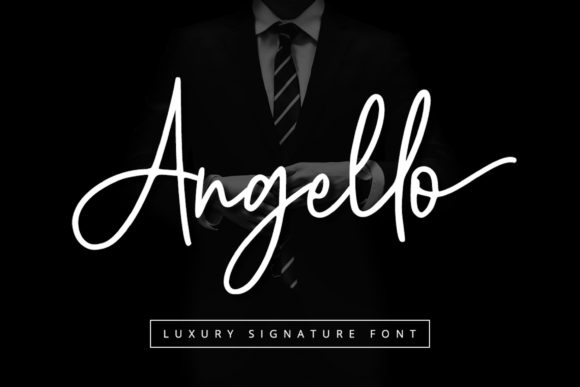
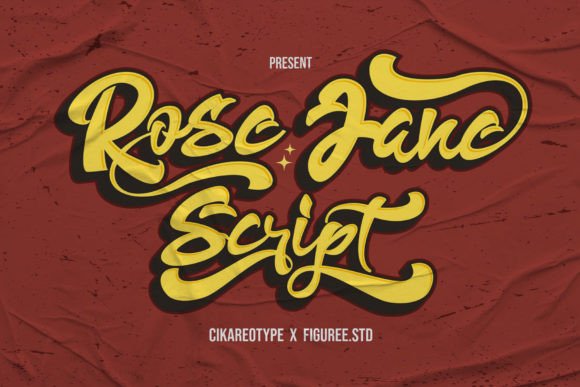
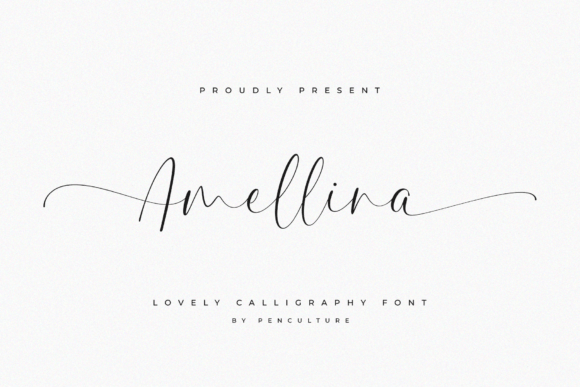
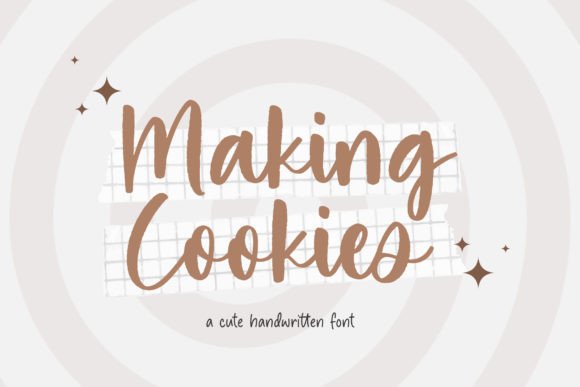
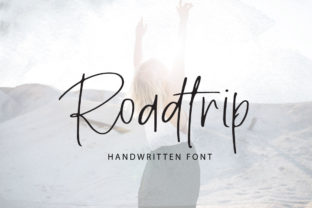
At its core, Roadtrip is defined by its beautiful handwritten style. Unlike rigid geometric fonts or traditional serif fonts, this typeface mimics the natural flow of a felt-tip marker or a fountain pen. The letters connect with a fluid, cursive rhythm, creating a sense of movement that pulls the viewer’s eye from left to right. This is a premium font that prioritizes character over strict uniformity. You will notice subtle variations in the stroke width and baseline, which is exactly what gives it that authentic, human touch.
In the world of modern typography, there is a constant tension between digital precision and analog warmth. Roadtrip leans heavily into the latter. It functions beautifully as a display font, meaning it is engineered to command attention at larger sizes. When used for a hero image on a website or the main title of a poster, the loops and swashes of the letters become architectural elements in their own right. It avoids the scratchiness often found in lesser script fonts, offering instead a smooth, confident line that suggests a steady hand and a clear direction.
Where Roadtrip Belongs: Practical Applications
The versatility of a script font often depends on the medium. Roadtrip shines brightest in environments where emotional connection and visual hierarchy are paramount. It is an exceptional choice for logo design, particularly for brands that want to convey authenticity, craftsmanship, or a lifestyle-oriented identity. Imagine a boutique coffee roaster, a travel blog, or a hand-made candle maker; Roadtrip provides the perfect visual shorthand for "made with care."
Beyond branding, its utility extends deeply into editorial design and packaging design. On a magazine cover, it can break up the monotony of standard sans serif fonts, adding a layer of intrigue to a headline. In packaging, where shelf appeal is everything, this typeface helps products stand out by mimicking the look of handwritten notes. It bridges the gap between digital and print applications seamlessly. Whether you are designing social media graphics for Instagram Stories or crafting a wedding invitation, the font maintains its legibility and charm.
- Web Design: Use it sparingly for call-to-action buttons or hero section headlines to draw attention without overwhelming the user.
- Merchandise: T-shirts, tote bags, and mugs benefit from the casual, relatable vibe of a handwritten font.
- Publishing: Book covers for memoirs or travel guides often require a font that feels "lived in," which Roadtrip provides instantly.
The Psychology of the Pen: Brand Perception and Engagement
Typography is silent communication. The fonts you choose for your brand identity speak volumes about your values before a customer reads a single sentence of your copy. Because Roadtrip mimics handwriting, it triggers a psychological response associated with personal communication. It feels less like a corporate broadcast and more like a note from a friend. This can significantly lower the barrier to engagement, making your audience feel more connected to your message.
However, this personal touch requires a strategic approach to visual hierarchy. A creative font like Roadtrip is best reserved for headlines, sub-headers, or accent text. If you were to set a full paragraph of body copy in a script font, you would quickly face readability issues. The eye struggles to process connected, flowing letters over long distances. Therefore, the smartest strategy is pairing.
Mastering Font Pairing
To maximize the impact of Roadtrip, you need a supporting cast. Font pairing is an art, but with this typeface, the rules are straightforward. Because Roadtrip has a strong, decorative personality, it requires a quiet partner. A clean, geometric sans serif font is often the ideal companion. The stark contrast between the organic curves of the script and the rigid structure of the sans serif creates a balanced composition. Alternatively, a classic serif font with high readability can work well for vintage or retro-themed designs, but ensure the serif isn't too ornate, or the layout will become cluttered.
Integration and Licensing: A Professional’s Checklist
Before integrating any new design assets into your workflow, a professional assessment is necessary. First, consider the specific project requirements. Does the tone of the project demand a handwritten font? If the subject matter is serious, legal, or highly technical, a script font might undermine the credibility of the content. Roadtrip is built for warmth and energy, not authority and austerity.
Next, evaluate the technical aspects. When testing the font, look at the letterforms of the specific words you intend to use. Script fonts can be tricky with certain letter combinations. Check the kerning (the space between letters) to ensure the connections look natural. Furthermore, always review the included styles. Many premium fonts come with alternate characters or ligatures that allow you to customize the look of the headline, ensuring it doesn't look like a template.
- Testing: Always preview the font at the intended size. A headline that looks elegant at 72pt might become illegible at 14pt.
- Context: Place the text on your actual background. A busy background can make a thin script font disappear; ensure there is enough contrast.
- Licensing: This is critical for commercial use. Ensure your license covers your specific usage, whether it is for a single client project, unlimited commercial projects, or merchandise sales. Ignoring licensing can lead to legal headaches down the road.
Ultimately, Roadtrip is more than just a typeface; it is a tool for storytelling. It allows small business owners and marketers to inject personality into their visuals instantly. By respecting its nature as a display element and pairing it wisely with complementary fonts, you can create designs that are not only visually striking but also emotionally resonant. It captures the essence of movement and personal touch, making it a valuable addition to any designer's toolkit.