The Alaska: A Handwritten Font That Balances Style and Function
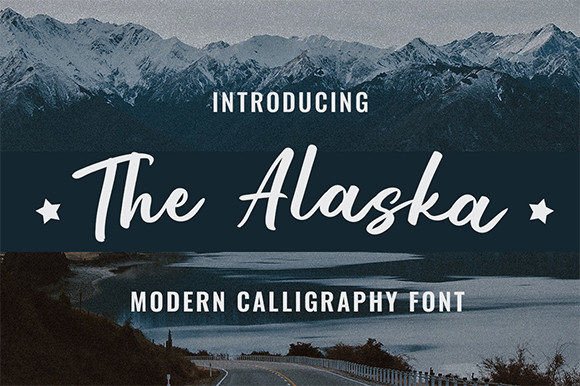
When you're deep in a project, searching for the right typeface can feel like searching for a specific note in a symphony. You need something that sets the right tone, carries the message clearly, and doesn't distract from the overall composition. That's the space The Alaska occupies so well. It's a modern handwritten script font that understands its job is to communicate, not just decorate. It has the elegant flow of classic calligraphy but strips away the stuffiness, resulting in a typeface that feels personal, contemporary, and incredibly versatile.
Think of it less as a traditional script and more as a polished, handwritten voice for your brand or project. The letterforms are clean, with a consistent baseline and a natural, slightly bouncy rhythm that feels authentic. Unlike overly ornate scripts that can become illegible at smaller sizes, The Alaska maintains its clarity. It’s this balance—between artistic flair and practical utility—that makes it a valuable creative font for professionals and hobbyists alike.
Where The Alaska Truly Shines: Practical Applications
The real test of any premium font is how it performs in the wild. The Alaska's strength lies in its adaptability. It doesn't scream for attention; it confidently delivers a message with personality. This makes it an excellent choice for a wide range of applications where a human touch is needed.
For brand identity and logo design, it's a standout. Imagine a boutique coffee roaster, a handmade jewelry shop, or a modern wellness studio. The Alaska can form the core of their wordmark, instantly conveying approachability, craftsmanship, and a personal connection. It pairs beautifully with a clean sans serif font for body text, creating a visual hierarchy that's both elegant and easy to navigate.
In editorial design and packaging design, its utility is just as clear. Use it for chapter titles in a cookbook, pull quotes in a lifestyle magazine, or the main flavor descriptor on a artisanal product label. It draws the eye without overwhelming the supporting text. For digital spaces, it brings warmth to web design—think hero section quotes, call-to-action buttons, or special announcement banners. It’s equally effective in social media graphics, where a quick, stylish headline can stop the scroll and make a post feel more curated and intentional.
Even for personal projects, like wedding invitations, greeting cards, or crafting labels, The Alaska provides a professional finish that elevates the final product. It’s a commercial font built for real-world use, ensuring your personal creations have that polished, designer touch.
Choosing and Using The Alaska: A Practical Guide
Integrating a new typeface into your workflow is about more than just liking how it looks. It’s about fit. Before committing, consider the core personality of your project. The Alaska is confident and stylish, but it’s not the right choice for a technical manual or a corporate legal document. It excels where brand voice, emotion, and aesthetics are primary goals.
A critical step is testing font pairing. The Alaska works best as a display font—for headlines, logos, and short bursts of text. Pair it with a highly legible serif or sans serif font for paragraphs and longer copy. A good pairing might be with a geometric sans serif for a modern, clean contrast, or with a classic serif for a more refined, literary feel. Always test the combination at the sizes you’ll actually use to ensure the styles complement rather than compete.
Check the font package for included styles. Many premium fonts like The Alaska come with alternates, ligatures, or stylistic sets. These are invaluable for customizing your text, avoiding repetitive letter shapes, and solving specific kerning issues in logos or headlines. They allow you to fine-tune the typography to make it uniquely yours.
Readability is non-negotiable. While The Alaska is designed for clarity, always consider context. Avoid using it for long paragraphs of small body copy, especially on screens. Its strength is in display settings. For web design, ensure you have a proper web font license and test its rendering across different browsers and devices. For print, a high-resolution output will showcase its subtle details best.
Finally, understand the licensing. If you’re using it for client work, merchandise, or a business, you’ll need a commercial font license. Reputable foundries and marketplaces provide clear terms. This isn’t just a legal formality; it supports the designers who create the design assets we rely on and ensures you have the right to use the font in your final, published work.
The Alaska is more than just another script font. It’s a tool for adding a layer of refined, human-centric style to your communications. By understanding its personality and applying it thoughtfully, you can bring a consistent and engaging voice to everything from a brand identity system to a simple thank-you card, all while maintaining the professionalism your audience expects.