Warthog: The Horror Script Font with Menacing Elegance
There’s a certain kind of project that demands more than just a standard typeface. It needs a voice—a character that whispers, or perhaps screams, a specific mood. This is where a premium font like Warthog enters the stage. It’s not merely a collection of letters; it’s a carefully crafted tool for evoking a visceral reaction. Imagine the fluid grace of traditional calligraphy, but twisted with sharp, unexpected angles and a modern, unsettling edge. That’s the core of Warthog’s appeal. It dances on the line between beautiful and terrifying, making it a fascinating asset for designers looking to inject potent personality into their work.
Decoding the Visual Language of Warthog
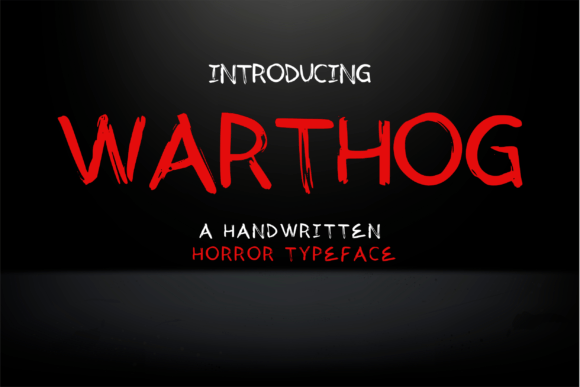
At first glance, Warthog presents itself as a script font, with the flowing, connected strokes you might expect. But look closer, and the horror element reveals itself. The elegance is undercut by deliberate imperfections—jagged terminals, inconsistent baselines, and letterforms that seem to claw at the page. It’s a masterclass in controlled chaos. This typeface doesn’t just sit quietly; it commands attention. Its personality is unapologetically dramatic, making it perfect for projects that aim to be bold, mysterious, or outright frightening. Think of the title card for a psychological thriller movie or the cover of a gothic novel. Warthog carries that same weight, offering a creative font solution that is both sophisticated and deeply unsettling.
The style is a hybrid. It borrows the timeless fluidity of handwritten font aesthetics but filters it through a lens of modern design sensibility. The result is something that feels both classic and contemporary. This isn’t a relic; it’s a modern reinterpretation of fear. The sharp angles provide a sense of danger, while the underlying curves maintain a haunting beauty. This duality is its greatest strength, allowing it to fit into projects that blend horror with high art, or suspense with elegance.
Where Warthog Truly Shines: Practical Applications
Understanding a font’s personality is one thing; knowing where to deploy it is another. Warthog is a display font, which means it’s built for impact at larger sizes. Using it for body copy would be a readability disaster, but as a headline or logo element, it’s incredibly powerful.
- Logo Design & Brand Identity: For brands in niche markets—think escape rooms, specialty Halloween retailers, boutique horror publishers, or even avant-garde fashion labels—Warthog can become the cornerstone of a memorable brand identity. It instantly communicates a specific, edgy aesthetic. Pair it with a clean, neutral sans serif font for supporting text to maintain balance and professionalism.
- Editorial & Packaging Design: Imagine the chapter titles in a horror anthology or the name of a craft beer with a dark theme. Warthog excels in editorial design and packaging design where the goal is to stop someone mid-scroll or mid-shelf. It tells a story before a single word of the product description is read.
- Digital & Social Media Graphics: In the fast-paced world of web design and social media graphics, standing out is everything. Using Warthog for event promotions, movie night announcements, or themed content series can dramatically increase engagement. Its visual intensity is perfect for thumbnails, banners, and Instagram stories that need to grab attention in a crowded feed.
- Personal & Commercial Projects: From creating custom invitations for a themed party to designing merchandise for a horror podcast, this commercial font offers endless possibilities for crafters and hobbyists. Its versatility allows for both personal expression and commercial application, provided you understand the licensing.
Mastering the Menace: A Practical Guide to Using Warthog
Adopting a font with this much character requires a thoughtful approach. Here’s how to integrate it effectively without overwhelming your project.
Evaluating Project Fit and Readability
First, ask yourself: does the project’s tone align with Warthog’s inherent drama? It’s a poor fit for a corporate report or a children’s menu, but it’s perfect for a tattoo parlor’s website or a haunted attraction’s promotional poster. Readability is paramount, even with display fonts. Always test your headline at the intended size. The intricate details can become muddy if set too small. Ensure there is enough contrast with the background and ample spacing around the letters to let its form breathe.
The Art of Font Pairing
A font pairing is like a conversation; the fonts need to speak to each other. Warthog is the loud, dramatic lead singer. It needs a calm, steady rhythm section. Pair it with a highly legible, geometric sans serif font like Montserrat or Lato for body text. Alternatively, a simple, sturdy serif font can provide a classic counterpoint. The key is contrast in both style and weight. Never pair it with another highly decorative script or handwritten font, as this creates visual chaos and undermines professionalism.
Exploring Styles and Licensing
Many premium font families include alternate characters, ligatures, or different weight variations. Explore the full set of design assets that come with Warthog. Swapping out a standard “a” for an alternate stylistic version can add a unique touch to a logo. Crucially, if your project is for commercial use—anything from a client’s logo to a product you sell—verify the font’s licensing. Most quality fonts offer different tiers for desktop, web, and app use. Respecting these terms is non-negotiable for maintaining a professional and ethical practice.
Ultimately, Warthog is more than just a font; it’s a strategic tool. It’s for the designer, marketer, or creator who understands that typography is a fundamental pillar of visual storytelling. By using it judiciously, you can transform a project from merely looking good to feeling unforgettable, wrapping your audience in an atmosphere of elegant dread. It proves that in the world of modern typography, the most powerful designs often come from embracing a little bit of beautiful darkness.