Why the Chemistry Script Font is a Design Game-Changer
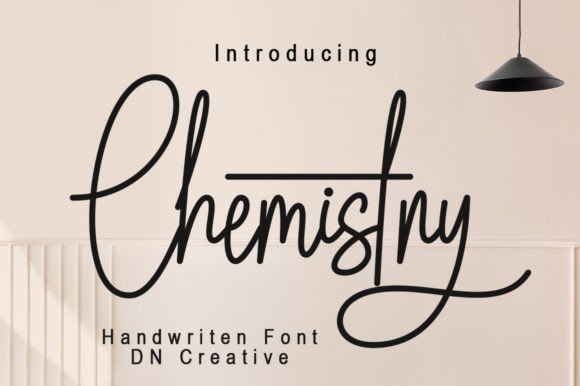
When I first encountered the Chemistry font, I immediately recognized it wasn't just another script typeface. This modern, monoline script possesses a unique blend of elegance and approachability that’s increasingly hard to find. It’s a premium font that feels both handcrafted and meticulously refined, offering a level of detail that can genuinely elevate a project from ordinary to memorable. For any designer or creator looking to add a versatile, sophisticated touch to their toolkit, understanding what Chemistry brings to the table is essential.
Understanding Chemistry's Visual Personality
At its core, Chemistry is a modern typography solution. Its defining characteristic is the consistent, clean line weight—a hallmark of monoline scripts that gives it a balanced, contemporary feel. Unlike overly ornate or casual handwritten font styles, Chemistry strikes a perfect middle ground. The letterforms flow with a natural, connected rhythm, yet each character is crafted with clarity and purpose. This careful craftsmanship results in a typeface that feels personal and human, without sacrificing legibility or structure.
The font’s overall appeal lies in its versatility. It carries a sense of creativity and warmth, making it ideal for projects that aim to connect on a personal level. Yet, its precision and clean lines ensure it doesn’t appear sloppy or overly informal. This duality is what makes Chemistry a standout creative font. It can feel artisanal for a coffee brand, sophisticated for a wedding invitation, and energetic for a social media campaign—all depending on context and pairing.
Where Chemistry Truly Shines: Practical Applications
Knowing a font’s strengths helps you deploy it effectively. Chemistry excels in scenarios where you need to inject personality and a human touch without compromising on professionalism. Here’s where I’ve found it to be a particularly valuable design asset:
- Logo Design & Brand Identity: Chemistry can form the cornerstone of a memorable brand mark. For boutique businesses, lifestyle brands, creative studios, or personal blogs, it lends an authentic, crafted feel. Paired with a clean sans serif font, it creates a beautiful contrast that enhances visual hierarchy in a brand identity system.
- Packaging Design: On product labels, especially for artisanal goods, cosmetics, food items, or beverages, Chemistry adds a touch of elegance and approachability. Its clarity at various sizes ensures key information like the product name remains prominent.
- Editorial Design & Publishing: Use it for chapter headings, pull quotes, or feature titles in magazines, lookbooks, or blogs. It breaks up the monotony of body text set in a serif font or sans serif font, drawing the reader’s eye to important sections.
- Web Design & Digital Presence: As a display font, Chemistry works beautifully for website hero sections, call-to-action headers, or stylistic accents in navigation. Its modern style translates well to screens, adding personality to digital interfaces.
- Social Media Graphics: In the fast-paced world of social content, Chemistry helps posts stand out. Use it for quotes, promotional announcements, or story highlights. Its inherent style can boost engagement and shareability.
- Event & Stationery Design: From wedding invitations to thank-you cards, its graceful flow adds a personal, celebratory touch that generic fonts often lack.
Making the Most of Chemistry: Practical Guidance
Integrating a new font effectively requires more than just liking its look. Here’s some actionable advice for working with Chemistry:
Evaluate Project Fit
Before committing, ask if the font’s personality aligns with your project’s goals. Chemistry is perfect for conveying creativity, warmth, sophistication, or approachability. It may be less suitable for projects requiring a stark, ultra-minimalist, or highly technical tone. Test it in the context of your other design elements.
Master Font Pairing
This is where Chemistry truly comes alive. Its strength as a script font means it pairs best with more neutral, structured typefaces. A classic pairing is with a geometric or humanist sans serif font for a clean, modern look. For added contrast and tradition, try it with a transitional or old-style serif font. The key is balance—let Chemistry be the star for headlines or accents, and use its partner for larger blocks of body text.
Leverage the Full Character Set
Chemistry is PUA encoded, a critical feature for designers. This means every alternate glyph, swash, and stylistic flourish is easily accessible, even in basic design software. Don’t just use the default characters. Explore the included options to customize ligatures and endings. This allows you to create truly unique letterforms and avoid a generic look, which is vital for logo design and standout headlines.
Consider Readability Carefully
While Chemistry is designed for clarity, all script fonts have a threshold. For body text or very small sizes (like footnotes), always opt for a more legible sans serif font or serif font. Use Chemistry for display purposes where its full character can be appreciated without straining the reader’s eyes. Always test your designs at the intended final size.
Understand the License
As a commercial font, ensure the license covers your intended use—whether for a client project, merchandise, or digital product. Reputable foundries provide clear licensing terms. This not only keeps you legally compliant but supports the type designers who create these valuable design assets.
In a landscape saturated with generic typography, Chemistry offers a breath of fresh air. It provides the handcrafted feel of a handwritten font with the reliability and polish of a professionally engineered typeface. By understanding its visual language and applying it thoughtfully across your creative and commercial projects—from packaging design to web design—you can leverage this font to build stronger visual narratives, enhance your brand identity, and ultimately create more engaging, professional work. It’s a tool designed not just to be used, but to be mastered.