Daux Lavande: Capturing Groovy Vintage Vibes
In the world of design, finding a typeface that bridges the gap between nostalgia and modern impact can be a challenge. Daux Lavande solves this problem by offering a vintage script aesthetic combined with a bold, groovy personality. It is not merely a collection of letters; it is a design asset built to evoke the warmth of the past while maintaining the sharpness required for contemporary branding. When you first encounter Daux Lavande, you notice its confident curves and distinct rhythm. It feels handcrafted, yet structured enough to be versatile across professional applications. This typeface is designed for creators who want to bypass the generic look of standard system fonts and inject personality into their work immediately.
The Visual DNA of Daux Lavande
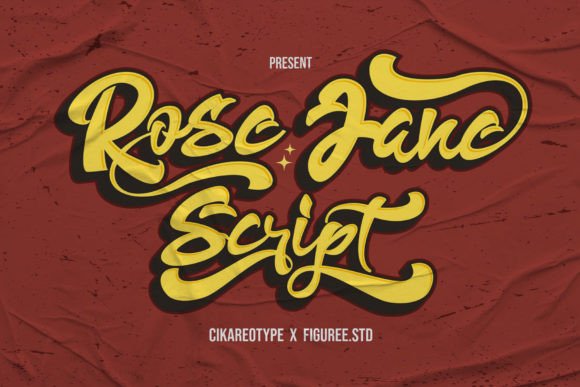
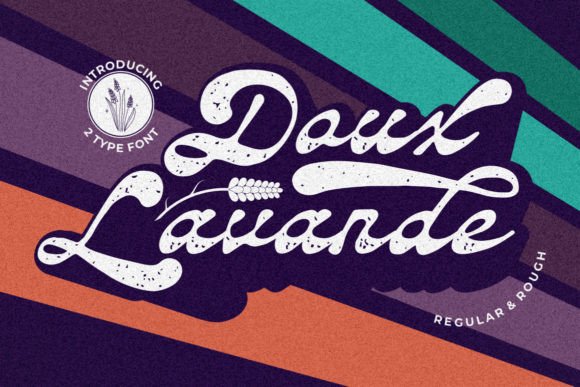
Understanding the visual characteristics of Daux Lavande is key to using it effectively. As a premium font, it leans heavily into the "groovy" era of typography—think late 60s and 70s aesthetics—where letters had weight, flow, and a sense of movement. It is a display font, meaning it is engineered for impact rather than long-form body text. Its stroke width is consistent and bold, ensuring readability at a glance, which is crucial for headers and logos.
The "script" classification indicates a flowing connectivity between letters, but Daux Lavande avoids the pitfall of being too illegible. It strikes a balance between a handwritten font and a structured typeface. The letterforms often feature tight kerning and stylistic alternates that allow the text to look like a continuous, fluid motion. This visual rhythm makes it an excellent choice for logo design, where the brand name needs to feel like a single, cohesive mark rather than disjointed characters.
Practical Applications: Where Daux Lavande Shines
The versatility of Daux Lavande allows it to adapt to a wide range of creative projects. Its primary strength lies in branding, specifically within the food, beverage, and lifestyle sectors. Imagine a craft coffee label, a boutique brewery, or a handmade bakery. These businesses rely on storytelling to connect with customers. Daux Lavande provides that story through typography. It suggests that the product is artisanal, authentic, and crafted with care.
- Packaging Design: Use Daux Lavande for the main product name to create shelf appeal. Its boldness ensures it stands out against busy background textures or solid colors.
- Social Media Graphics: In the fast-scrolling environment of Instagram or TikTok, a creative font stops the thumb. Use it for quotes, announcements, or sale headers to grab attention instantly.
- Editorial Design: For magazines or blogs, this font works beautifully for pull quotes or article headers, adding a touch of personality to otherwise standard layouts.
- Stickers and Merchandise: The retro aesthetic translates perfectly to physical goods like stickers, t-shirts, and tote bags, where the design needs to be expressive and fun.
However, context matters. While Daux Lavande excels in these areas, it is not suited for web design body copy or lengthy legal disclaimers. Its intricate details and connected nature would reduce legibility in small sizes or dense paragraphs. For those sections, pairing it with a clean sans serif font is the best approach.
Strategic Typography: Readability and Brand Perception
Choosing a font is a strategic business decision, not just an artistic one. The typography you select influences how your audience perceives your brand identity. Daux Lavande communicates specific values: creativity, nostalgia, boldness, and approachability. If your brand strategy focuses on being cutting-edge and minimalist, this font might clash with your messaging. But if you want to appear warm, energetic, and vintage-inspired, it is the perfect fit.
Readability is a critical factor in visual hierarchy. Because Daux Lavande is a display typeface, it commands the top of the hierarchy. It tells the viewer, "Look here first." To maintain a professional layout, you must contrast this high-energy font with something neutral. A pairing strategy might involve using Daux Lavande for the H1 or H2 headers, and a geometric sans serif font like Montserrat or Roboto for the body text. This contrast ensures that the design remains organized and easy to digest.
Technical Utility and Licensing
One of the most practical aspects of Daux Lavande is its technical construction. It is PUA (Private Use Areas) encoded. For designers, this is a significant advantage. It means that all the special glyphs, ligatures, and stylistic alternates are accessible even in software that does not natively support advanced OpenType features. You can access these characters through a standard character map on Windows or macOS, ensuring you have full creative control regardless of your design application.
As a commercial font, it is essential to review the licensing terms before deployment. Most premium fonts offer different tiers for personal use versus commercial use. Ensure that your license covers your specific application, whether it is for a local print shop, a global e-commerce store, or digital design assets. Installing the font is straightforward across operating systems, allowing you to integrate it into your workflow immediately.
Evaluating Fit and Font Pairings
Before committing to Daux Lavande for a major campaign, take the time to test it within your existing brand identity. Does it complement your color palette? Does it work well with your photography style?
- Test the Context: Place the font on your actual mockups. Does it look good on a coffee cup? Is it legible on a mobile screen header?
- Check the Weight: Ensure the boldness of the font doesn't overwhelm smaller marketing materials.
- Review Ligatures: Look at how the letters connect. Sometimes, specific letter combinations in script fonts can look awkward. Check the glyph panel to see if there are alternate characters to fix these issues.
In conclusion, Daux Lavande is a powerful tool for designers and entrepreneurs seeking to add a vintage flair to their projects. It offers a distinct personality that can elevate a brand from looking generic to feeling curated and intentional. By understanding its strengths—its bold visual impact and retro charm—and balancing it with appropriate pairings and clear hierarchy, you can utilize this font to create designs that resonate deeply with your audience. It is more than just a typeface; it is a statement of style.