Slip Into Sophistication: Mastering the Alchemila Script
In the vast landscape of digital typography, finding a typeface that feels genuinely personal yet professionally polished is a rare discovery. As creative professionals, we often grapple with the challenge of making digital text feel human. We want our designs to whisper rather than shout, to invite the viewer in with an intimate, tactile quality. Enter Alchemila, a premium font that doesn't just display words; it performs them. This isn't your standard, overly swirly script font that looks like a failed attempt at cursive. Alchemila offers a realistic, hand-lettered style that bridges the gap between raw artistic expression and sophisticated editorial design.
If you are a designer, entrepreneur, or content creator looking to inject a dose of elegance into your work, understanding how to wield this tool effectively can transform your visual communication. Let’s dive into the nuances of this typeface and explore how to make it the cornerstone of your next creative project.
The Anatomy of Elegance: Visual Characteristics
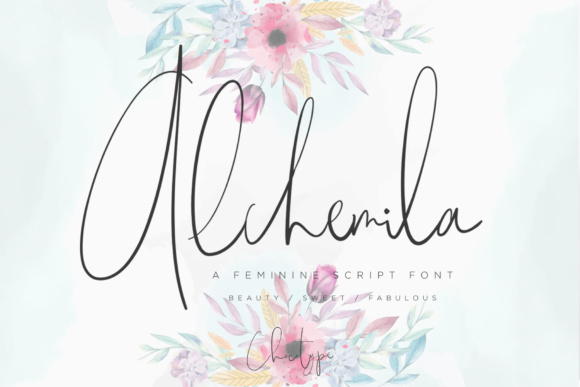
At first glance, Alchemila strikes you with its fluidity. It captures the organic movement of a felt-tip pen or brush, but without the messy inconsistencies that make some handwritten fonts illegible. The strokes vary naturally in weight, mimicking the pressure a human hand applies to paper. This isn't a geometric, perfect font; it is a creative font that breathes.
The visual personality of Alchemila is distinctly feminine and editorial. It avoids the overly casual, "doodly" vibe of many script fonts, opting instead for a refined, high-fashion aesthetic. The connections between letters are intuitive, maintaining a steady baseline that ensures readability while preserving that coveted "written just for you" feel. It is a typeface that suggests craftsmanship and attention to detail, making it an ideal choice for brand identity projects that need to convey warmth without sacrificing professionalism.
Strategic Applications: Where Alchemila Shines
Knowing what a font looks like is one thing; knowing where to put it is another. Because Alchemila is a display font—meaning it is designed to be used at larger sizes—it acts as a visual anchor. It is best utilized as a header or the focal point of your layout. Using it for body copy would be a mistake, but using it for impact is a game-changer.
Editorial and Publishing Design
In the world of editorial design, headers need to stop the scroll. Whether you are designing a magazine cover, a blog post header, or a chapter title for an e-book, Alchemila provides the necessary flair. It pairs beautifully with clean serif fonts or modern sans serifs for body text. Imagine a stark, minimalist layout with a crisp sans-serif paragraph, topped by an Alchemila header that feels like a personal note from the editor. This contrast creates a powerful visual hierarchy that guides the reader’s eye exactly where you want it.
Branding and Logo Design
For service-based businesses—think wedding planners, interior designers, boutique agencies, or lifestyle coaches—a logo design needs to communicate trust and personality. Alchemila is a strong contender for these niches. It suggests a bespoke, custom service. However, when using a script font for logos, legibility at small sizes is paramount. Alchemila holds up well, but always test your logo at the size of a social media profile picture or a business card corner to ensure the brand name remains distinct.
Digital and Web Design
In web design, personality can be hard to convey through a screen. Alchemila helps bridge that digital divide. It works exceptionally well for hero section text, call-to-action buttons, or "About Me" headers on personal blogs. It softens the hard edges of a digital interface, making a website feel more accessible and human. For social media graphics, this font is invaluable. It instantly elevates an Instagram quote or a Pinterest pin from generic to curated, helping to boost audience engagement through visual appeal.
Packaging and Product Design
If you are in the business of physical goods, packaging design is your silent salesperson. Alchemila is perfect for artisanal products, beauty brands, or gourmet food labels. Its realistic texture suggests that the product inside is handmade or carefully curated. It adds a layer of tactile luxury to the unboxing experience, reinforcing the value of the product before the customer even tries it.
Practical Guide: Working with Alchemila
Implementing a premium font like Alchemila requires more than just installation; it requires strategy. Here is how to get the most out of this typeface in your workflow.
Mastering Font Pairing
The golden rule of font pairing is contrast. Since Alchemila has a distinct personality and irregular baseline, it needs a partner that is stable and neutral. Do not pair it with another decorative font; that will create visual chaos.
- The Classic Editorial Look: Pair Alchemila with a traditional serif font like Garamond or Playfair Display. This combination feels timeless, academic, and sophisticated.
- The Modern Minimalist Look: Combine Alchemila with a geometric sans serif font like Montserrat or Helvetica Neue. The clean lines of the sans-serif allow the organic curves of Alchemila to pop, creating a fresh, contemporary vibe.
Always ensure your body text is highly legible. Alchemila is the spice, not the main course.
Evaluating Readability and Hierarchy
As a designer, your primary responsibility is communication. While Alchemila is beautiful, you must test its readability. Use it for short bursts of text—headlines, sub-headers, or pull quotes. If you have a sentence longer than ten words, consider breaking it up or switching to a simpler typeface. Contrast is key to visual hierarchy; make sure the Alchemila headers are significantly larger than the body text to establish a clear reading order.
Reviewing Styles and Features
High-quality modern typography often comes with OpenType features. When working with Alchemila, check your software’s glyphs panel. You may find alternative characters, ligatures, or swashes that can customize the look of your text. Swapping out a standard "t" for a stylistic alternate can make your layout look truly bespoke, as if you hired a hand-letterer rather than buying a font file.
Commercial Licensing
One of the most overlooked aspects of using a commercial font is the license. If you are using Alchemila for a client project, a product for sale, or a commercial website, you must ensure you have the appropriate license. Personal licenses usually cover your own projects, but commercial licenses are required for client work or merchandise. Always read the End User License Agreement (EULA) to ensure your design assets are legally compliant.
The Verdict on Alchemila
In a market saturated with generic typography, Alchemila stands out as a tool for storytelling. It is more than just a creative font; it is a mood setter. Whether you are a small business owner trying to elevate your brand, a blogger looking to increase reader retention, or a designer seeking the perfect script, Alchemila offers the sophistication and realism needed to make your work resonate.
By focusing on strategic placement, thoughtful pairing, and professional application, you can use Alchemila to slip your designs into something truly more sophisticated. It proves that in the world of modern typography, authenticity and elegance can, and should, go hand in hand.